

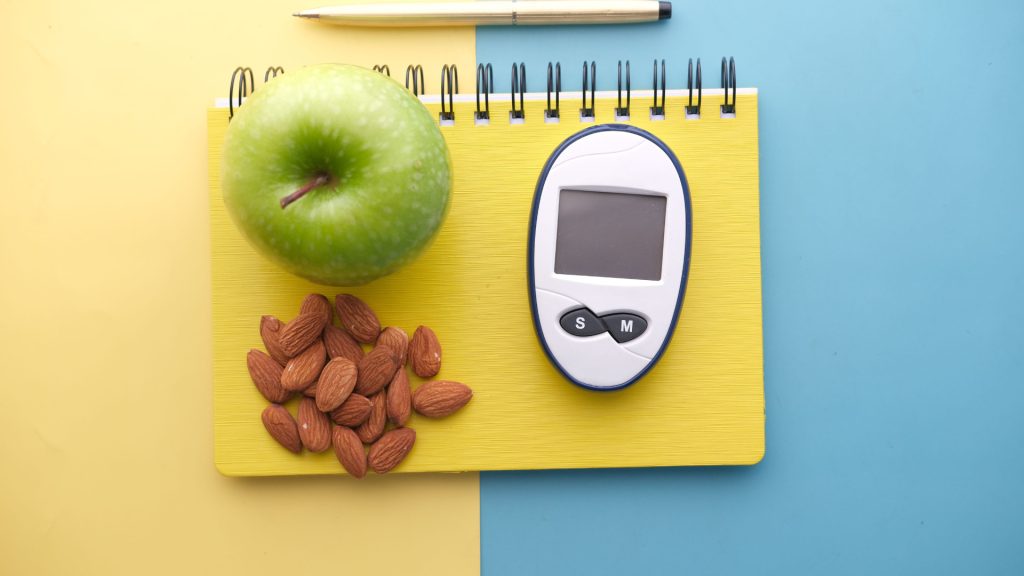
High blood sugar can be influenced by what you eat, how active you are, your sleep, stress levels, medications, and underlying health conditions. For people with diabetes or prediabetes, making consistent lifestyle changes can support better blood sugar management.
If you are wondering how to lower blood sugar naturally, the most useful approach is usually not a single food, drink, or supplement. Instead, focus on sustainable habits such as eating balanced meals, being physically active, getting enough sleep, managing stress, and maintaining a healthy weight when appropriate.
If you’re also working on your overall wellness routine, massage therapy may support relaxation and help manage everyday muscle tension and stress.
The National Institute of Diabetes and Digestive and Kidney Diseases recommends healthy eating, physical activity, maintaining a healthy weight when appropriate, and other healthy lifestyle habits as part of diabetes management.
Natural approaches can support blood sugar management, but they should be used alongside medical guidance when diabetes has been diagnosed.
What Does High Blood Sugar Mean?
Blood sugar, also called blood glucose, is the main type of sugar found in your blood. Your body uses glucose for energy, while insulin helps glucose move from the bloodstream into cells.
When the body does not produce enough insulin or does not respond properly to it, blood glucose can remain elevated.
Diabetes occurs when blood glucose is too high. Type 1, type 2, and gestational diabetes have different causes and management approaches. (NIDDK)
Some people with high blood sugar have noticeable symptoms, while others may have few or no symptoms. Increased thirst, frequent urination, tiredness, unexplained weight loss, and blurred vision can occur with diabetes.
How to Lower Blood Sugar Naturally
There is no single natural remedy that works for everyone. However, several healthy habits can help support better blood sugar management.
1. Choose Balanced Meals
What you eat can affect your blood glucose levels.
A balanced meal may include:
- Non-starchy vegetables
- Lean protein
- Whole grains
- Beans and other high-fiber foods
- Healthy fats
- Appropriate portions of fruit
- Unsweetened or low-sugar beverages
NIDDK recommends choosing foods such as non-starchy vegetables, fruits, protein foods, whole grains, and foods containing fiber and healthy fats. It also recommends limiting sugary foods and drinks.
Instead of focusing on completely eliminating carbohydrates, consider the type and portion of carbohydrates you regularly eat.
2. Reduce Sugary Drinks
Sweetened drinks can add a significant amount of sugar to your diet.
Common examples include:
- Regular soda
- Sweetened tea
- Sugary coffee drinks
- Energy drinks
- Sweetened fruit drinks
- Some sports drinks
Water is a simple alternative for everyday hydration.
If you regularly drink sugary beverages, gradually replacing them with water or unsweetened drinks can be a practical lifestyle change.
3. Eat More Fiber-Rich Foods
Fiber is found in foods such as vegetables, beans, whole grains, fruits, nuts, and seeds.
Including fiber-rich foods as part of balanced meals can support overall nutrition and may help with blood glucose management.
However, increase fiber gradually and drink enough fluids to make the transition easier for your digestive system.
4. Be Physically Active
Regular physical activity is one of the most useful lifestyle habits for managing blood sugar.
Physical activity helps your muscles use glucose for energy and can improve overall metabolic health.
You do not necessarily need an intense workout. Walking, swimming, cycling, dancing, and other activities can count.
The CDC recommends regular physical activity for people with diabetes and notes that manageable activities such as walking can be incorporated into a daily routine.
If you have diabetes, particularly if you use insulin or certain medications, ask your healthcare professional how to exercise safely because physical activity can sometimes cause blood sugar to fall too low.
5. Avoid Sitting for Long Periods
Being active does not only mean exercising at the gym.
You can also increase movement throughout your day by:
- Taking short walking breaks
- Using stairs when appropriate
- Doing household activities
- Walking during phone calls
- Stretching between periods of sitting
- Taking a short walk after meals
Small changes can make it easier to build a more active routine.
6. Get Enough Sleep
Sleep is another important part of overall blood sugar management.
NIDDK notes that getting enough sleep may support mood, energy, and blood glucose levels, with many adults needing around 7 to 8 hours of sleep each night.
Try to maintain a consistent sleep schedule and create a relaxing bedtime routine.
If you regularly wake during the night, snore heavily, or feel exhausted despite getting enough time in bed, discuss these symptoms with a healthcare professional.
7. Manage Stress
Stress can affect blood sugar levels and make healthy habits harder to maintain.
When you are under ongoing stress, you may also experience changes in sleep, eating patterns, physical activity, and energy.
Helpful stress-management strategies may include:
- Walking
- Gentle stretching
- Breathing exercises
- Meditation
- Spending time outdoors
- Connecting with friends and family
- Maintaining enjoyable hobbies
Managing stress is not a replacement for diabetes treatment, but it can be part of a healthy overall routine.
8. Maintain a Healthy Weight When Appropriate
For people who have overweight or obesity, losing a modest amount of weight may improve blood glucose management and other health measures.
The appropriate goal varies from person to person.
Instead of following extreme diets, focus on sustainable changes such as balanced meals, regular movement, adequate sleep, and appropriate portion sizes.
If you have diabetes or another medical condition, speak with your healthcare professional before beginning a weight-loss program.
9. Monitor Your Blood Sugar
If you have been advised to monitor your blood glucose, keeping track of your readings can help you understand how food, activity, stress, illness, and medication affect your levels.
Your healthcare team can tell you how often to check your blood sugar and what range is appropriate for you.
Blood sugar targets are individualized, so do not assume that a target found online is necessarily your personal target.
You can also record:
- What you ate
- Physical activity
- Sleep
- Stress
- Medication timing
- Blood sugar readings
This information can help you and your healthcare team identify patterns.
10. Take Diabetes Medication as Prescribed
Natural lifestyle changes are helpful, but they do not mean you should stop prescribed medication.
If you have diabetes, your treatment plan may include medication or insulin depending on your type of diabetes and individual needs.
The CDC provides guidance on diabetes treatment and medication, including the importance of following your prescribed treatment plan.
Never reduce, stop, or change your medication without discussing it with your healthcare professional.
Can Walking Lower Blood Sugar?
Walking can be a useful form of physical activity for blood sugar management.
The CDC specifically recommends starting with manageable activities such as a 10-minute walk after dinner and gradually building toward a regular activity routine.
However, the effect of physical activity can vary between individuals.
If you use insulin or medications that can cause low blood sugar, ask your healthcare professional whether you need to monitor your glucose before or after exercise.
Can Drinking Water Lower Blood Sugar?
Water does not directly treat diabetes, but staying hydrated supports normal body functions.
Replacing sugary drinks with water can also reduce your intake of added sugar and calories.
If your blood sugar is very high, drinking water alone should not be considered a treatment. Persistent or significantly elevated blood glucose should be discussed with a healthcare professional.
Are There Foods That Quickly Lower Blood Sugar?
There is no single food that reliably and safely brings high blood sugar back to a normal range for everyone.
Instead of searching for a quick fix, focus on an overall eating pattern that includes vegetables, fiber-rich foods, protein, healthy fats, and appropriate portions of carbohydrates.
NIDDK also notes that there is not clear evidence that specific foods, herbs, spices, vitamins, or supplements can independently manage diabetes. Supplements may also interact with diabetes medicines.
Should You Use Supplements to Lower Blood Sugar?
Be cautious with products marketed as natural blood sugar remedies.
Supplements are not automatically safe simply because they are labeled natural. Some may interact with medications or cause unwanted effects.
Talk with your healthcare professional before taking supplements marketed for blood sugar control, particularly if you already take diabetes medication.
What Can Cause Blood Sugar to Rise?
Blood sugar can rise for several reasons, including:
- Eating more carbohydrates than usual
- Physical inactivity
- Stress
- Illness
- Not taking enough diabetes medication or insulin
- Changes in routine
- Certain medications
Illness, stress, eating more than usual, and insufficient insulin can all contribute to high blood sugar.
This is why looking at your overall pattern can be more useful than focusing on one meal or one reading.
When Is High Blood Sugar an Emergency?
Very high blood sugar can sometimes become a medical emergency, particularly when ketones are present.
If you have diabetes and are sick with blood glucose around 240 mg/dL or higher, the CDC advises checking for ketones and contacting your healthcare professional if ketones are high.
High ketones can be an early sign of diabetic ketoacidosis (DKA), which requires immediate medical treatment.
Follow the sick-day and emergency instructions provided by your healthcare team.
Can Massage Help With Blood Sugar Management?
Massage therapy is not a treatment for diabetes and should not be used as a way to directly lower blood sugar.
However, massage may support relaxation and help with muscle tension and general wellness. Stress management can be one component of a broader healthy lifestyle for people managing chronic conditions.
If you enjoy massage as part of your wellness routine, you can explore massage therapy or a full body massage.
People with diabetes should also consider their individual health needs and discuss any concerns with their healthcare professional.
Common Mistakes When Trying to Lower Blood Sugar Naturally
Some approaches can create unnecessary risks.
Skipping Meals
Skipping meals may not be appropriate for everyone with diabetes, especially people taking insulin or certain medications that can cause low blood sugar.
Completely Eliminating Carbohydrates
Carbohydrates are found in many nutritious foods. Rather than eliminating them completely, work with a healthcare professional or registered dietitian to determine an eating pattern appropriate for you.
Relying on Supplements
Supplements are not a substitute for evidence-based diabetes care.
Exercising Too Intensely
More exercise is not always better. Start at an appropriate level and gradually increase activity.
Stopping Medication
Never stop prescribed diabetes medication because your blood sugar improves after making lifestyle changes.
Chasing Quick Fixes
There is no guaranteed drink, food, or home remedy that safely solves high blood sugar for everyone.
When Should You Talk to a Healthcare Professional?
Talk with a healthcare professional if:
- Your blood sugar is regularly above your target range
- You frequently experience low blood sugar
- You have symptoms of diabetes
- You have unexplained weight changes
- You are constantly thirsty or urinating frequently
- You experience persistent fatigue
- You are unsure how to adjust your diet or activity
- You are considering supplements
- You want to change your diabetes medication
A healthcare professional can help determine whether you have diabetes, prediabetes, or another condition and develop an appropriate care plan.
Final Thoughts on Lowering Blood Sugar Naturally
If you’re wondering how to lower blood sugar naturally, focus on sustainable habits rather than quick fixes.
Balanced meals, regular physical activity, adequate sleep, stress management, healthy weight management when appropriate, and blood sugar monitoring can all be part of a comprehensive approach to diabetes care.
Natural lifestyle changes can support blood sugar management, but they do not replace medical treatment. If you have diabetes or consistently high blood sugar, work with your healthcare team to create a plan that fits your individual needs.
For people who also want to include relaxation and stress management in their wellness routine, full body massage may be a complementary option.
You can also read our guide on how often you should get a massage to learn more about incorporating massage into a regular wellness routine.
Frequently Asked Questions
1. How can I lower my blood sugar naturally?
Healthy eating, regular physical activity, adequate sleep, stress management, and maintaining a healthy weight when appropriate can support blood sugar management. People with diabetes should also continue prescribed treatment and follow their healthcare team’s recommendations.
2. Can walking lower blood sugar?
Yes, physical activity such as walking can help lower blood glucose and improve blood sugar management. Starting with a short walk and gradually increasing activity can be a practical approach for many people.
3. Does drinking water lower blood sugar?
Water helps prevent dehydration and can replace sugary drinks, which may reduce sugar and calorie intake. However, drinking water alone does not treat significantly high blood sugar.
4. What foods help control blood sugar?
Foods such as non-starchy vegetables, protein foods, whole grains, beans, fruits, and other fiber-rich foods can be part of a balanced eating plan. Portion sizes and individual carbohydrate needs should also be considered.
5. When should I seek medical help for high blood sugar?
Speak with a healthcare professional if your blood sugar is repeatedly above your target range or you have symptoms such as excessive thirst, frequent urination, unexplained weight loss, or persistent fatigue. Very high blood sugar with high ketones can be an emergency and requires immediate medical attention.